
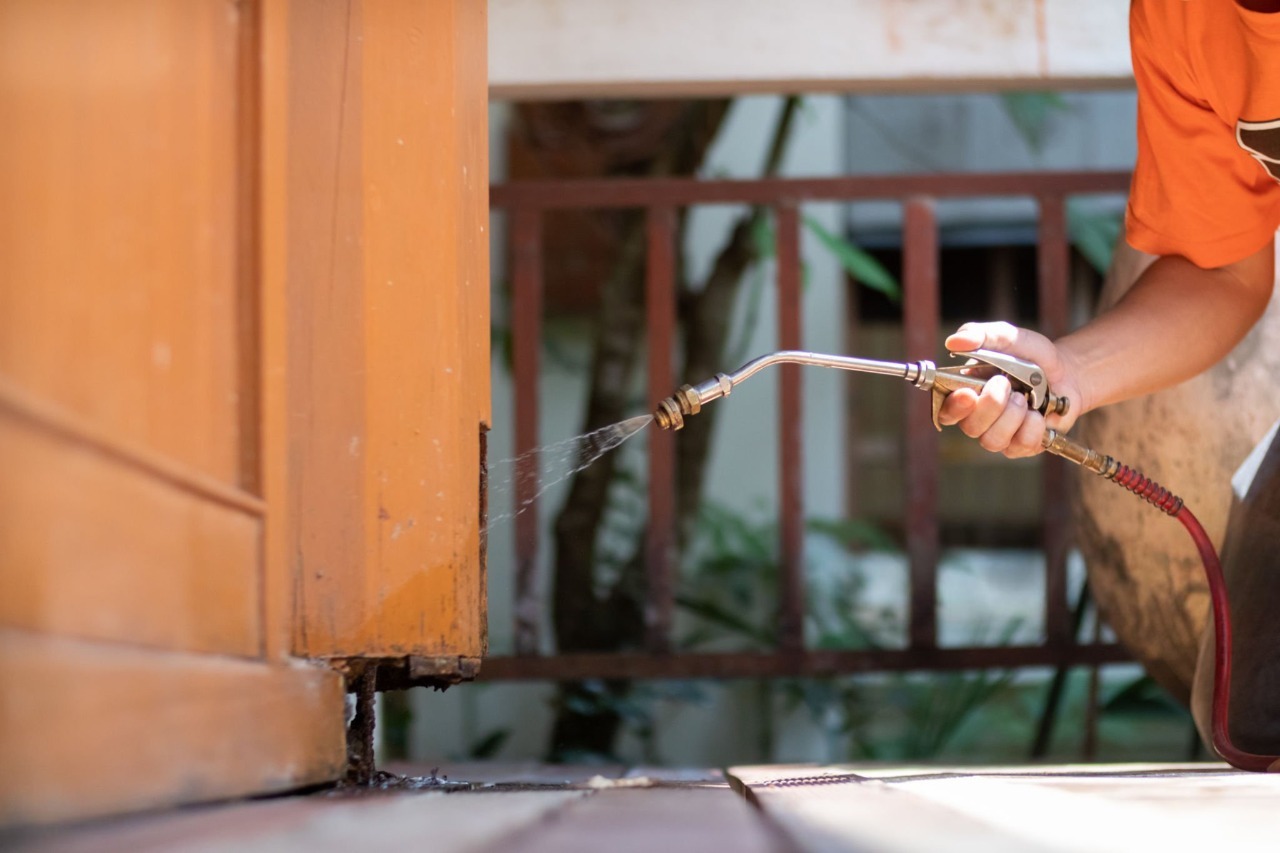
While most people think of termites as ruined beams, crumbling walls, or expensive home repairs, in legal terms, termite damage frequently becomes an issue of utmost contention—particularly when real estate transactions, insurance claims, or construction defects are at stake. That’s where Termite Control Services becomes a whole lot more than simply pest control. They become a source of reliable data, sound documentation, and professional expertise that can win or lose a case.
The Surprising Link Between Termites and the Law
Termites and courtroom testimony might seem like such vastly different things. But termites damaging property lead to potential legal issues of liability, negligence, or disclosure. For example, a buyer can sue a seller for failure to disclose an infestation or a contractor for missing termite activity during remodeling.
In such cases, Termites Control Services offer more than pest control—they offer professional inspections and reports that can be used as evidence in court. Any inspection report, treatment history, or photographic evidence becomes possible proof that can be used to substantiate or refute a claim.
When attorneys prepare for a property damage case, they look to fact-based, unbiased evidence. Certified termite inspection reports provide just that. A licensed technician records levels of infestation, observable damage, and suggested courses of action in a standardized, traceable format.
These reports frequently become the basis for defensible legal evidence. For example, if a South Carolina homeowner contests a real estate disclosure, a dated inspection by an ethical service can prove that termite activity was present prior to or following a sale. The evidence is still valid when examined closely since the method follows the strictest requirements of the industry.
Professional specialists can detect damage before it becomes noticeable to the untrained eye, for instance, wood with a hollow sound or molted wings. Results, augmented by photographic documentation, are often included in court exhibits. This type of detail adds visibility, making it hard for each side to fudge the facts.
When Termite Risk and Damage Become Legal Fights
Disputes in law usually ensue when termite risk and damage are not estimated or are overlooked. The owner might experience structural weakening years after acquiring the property, only to find out that the infestation had been ongoing much earlier. Lawyers for the buyers, sellers, or builders are then forced to depend on inspection reports and expert findings to determine the sequence of events.
Without accurate inspection information, evidence is opinion-based and not as convincing. However, whenever Termite Control Services issues comprehensive reports—treatment schedules, chemical applications, and post-treatment inspections—attorneys can connect or dissociate liability with precision.
It’s not a matter of who is liable but rather the proof of cause that must be established. Causation is a matter of inspection and of establishing beyond doubt that the damage was due to neglect, the normal progression of events, or a repair that was not completed. This level of detail usually determines the amount of compensation a party can claim or the amount they can avoid paying.
Expert Witnesses and the Role of Technical Testimony
Expert witnesses are vital in termite damage repair cases. They are usually experienced pest control operators who can read and interpret reports, describe treatment procedures, and authenticate inspection findings. Their capacity to break technical language into understandable terms makes the court comfortable with their results.
For example, a technician may be called upon to describe how termite tunnels propagate through water-susceptible foundations or how structures made of untreated wood hasten an infestation. Their testimony brings with it both scientific basis and professional authority—two factors that hold considerable weight with judges and jurors.
Additionally, termite specialists can determine if repair jobs solved the underlying issue or just covered the surface. This is critical in determining if the damage is ongoing or finally remedied. The level of precision and professionalism of these specialists usually mirrors the reputation of the termite control services that hire them.
The Chain of Accountability
The legal defensibility of a case is not just about being technically right— it also necessitates following the right procedures. Every inspection and treatment must adhere to the regulations of the locality, which dictate the possession of appropriate licenses, the recording of chemicals used, and the obeying of safety standards.
Every mistake in adherence to the given procedures, such as not maintaining correct records or not conducting regular follow-ups, would ruin the evidence. That is why the best pest control firms make sure to keep detailed records and that their staff conduct the whole process every single time.
This effort creates a trail of accountability that can stand up to legal cross-examination. In essence, the believability of Termites Control Services rests with their consistency and adherence to standards.
How Termite Reports Fortify Property Transactions?
Real estate sales in markets such as the Coachella Valley frequently depend upon integrity reports on properties. Buyers desire certainty that their investment doesn’t have structural dangers lurking in the background, and sellers want evidence to prevent post-sale litigation. Comprehensive termite inspection reports provide both parties with peace of mind—and, more critically, protection under the law.
If there is a dispute, these reports serve to determine what was known, disclosed, or addressed at the time of sale. This documentation turns out to be the main evidence, especially in situations where the bugs have been hidden and the problem is discovered only after a long time. The courts usually take this type of proof to judge whether the seller was honest or was hiding important facts.
The Quiet Power of Preventive Records
Not all termite problems result in a lawsuit. Home Preventive inspections often are the saviors of the homeowners in terms of avoiding protracted legal hassles. Such historical documentation is always for the future and can be readily used to claim that the house was well kept and the owner was diligent.
A case in point is of a landlord who organizes yearly inspections and, at the same time, takes care of the termite problem that would otherwise cause damage. Such a landlord can claim that by being vigilant, he has not only protected his property but also his tenants. Often, such a claim can lead to a property owner being exempted from a liability suit, and thus, a simple inspection record can become a legal shield.
The Defining Point
Termite damage could appear to be a homeowner’s headache, but it is actually a legal case in the making. Understanding of termite control services in providing authentic, verifiable documentation renders them a precious asset for legal proceedings, ranging from insurance claims to property disputes. Our documentation forms the basis for defensible expert testimony, filling in gaps between technical information and legal arguments.
In cities like South Carolina and nearby regions, where property values and environmental conditions increase termite activity, professional inspections are not just about pest control—they’re about legal protection. In constructing a viable legal case with regard to termite risk and damage or termite damage repair, documentation and precision are paramount. Which is why most legal teams and homeowners trust skilled professionals like Blackwater Consulting Services, whose precision-based technique guarantees that each inspection and report can hold up—both in court and in writing.