
You’re standing in the doorway of a house you’ve been dreaming about—light pouring in, rooms empty and quiet, waiting for the life you’re going to bring into them. But as you step forward, there’s a nagging thought: what if beneath the boards and under the floors, there’s damage you can’t see? That’s when a Wood Destroying Organism Inspection becomes more than just a formality; it becomes your safety net.
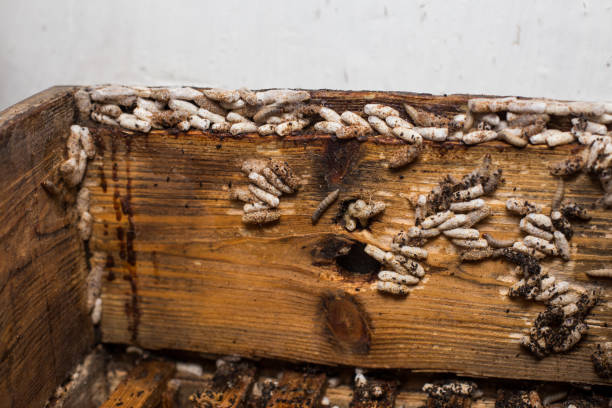
That simple inspection can reveal hidden threats, help you avoid surprise expenses down the road, and give you the confidence to move forward—or walk away, wisely. And when you combine that with skilled Expert witness consulting in wood damage, you don’t just get a report. You get clarity, protection, and crucial peace of mind.
In this blog, we’ll explain why this inspection is non-negotiable for any prospective homeowner and how it protects your investment.
Why Wood Destroys Organism Inspection Matters More Than You Think?
Wood, when left unchecked, can become a silent victim. Termites, carpenter ants, wood-boring beetles — they don’t announce themselves until the damage shows. Cracks in walls. Uneven floors. Creaking sounds at odd hours. By then, the repair costs may already be steep.
That’s why Wood Destroying Organism Inspection isn’t something you schedule later; it’s something you do first. A good inspection peels back the invisible layers and shows what’s real. It tells you whether that beautiful porch you love is safe to stand on, or if that oak beam you admire is quietly hollowed out inside.
With proper inspection, you might avoid thousands of dollars in unexpected repairs. More importantly — you avoid the stress, the guesswork, the “what-if’s.”
What the Inspection Process Looks Like — Step by Step
When a professional comes in for Wood Destroying Organism Inspection, the process isn’t a quick glance. It’s thorough. They check basements, crawlspaces, attics, walls, wooden beams, subfloors — every hidden corner where trouble could hide.
They’ll use visual checks, moisture meters, probing tools, and sometimes even infrared scanners. If there’s old damage, recent wood-dust piles, or signs of active wood-destroying insects, it shows up. And the report? It’s detailed. It outlines affected areas, damage severity, and recommended fixes.
That kind of detail gives you control. You can negotiate with a seller, estimate repair costs realistically, or decide if the home is worth saving.
How Expert Witness Consulting in Wood Damage Adds Value?
Sometimes, the inspection alone isn’t enough — especially if you’re in a legal situation, insurance claim, or dispute with a contractor or previous owner. That’s when Expert witness consulting in wood damage becomes crucial.
A qualified expert can interpret inspection results, prepare a clear damage summary, testify if needed, and help navigate the legal or insurance process. Their analysis adds credibility and weight to your findings.
It’s not just about confirming damage. It’s about turning evidence into a strong, defensible claim — whether for repair, compensation, or renegotiation.
When an Inspection Becomes a Smart Investment — Not a Chore
Skipping inspection may feel like you’re saving time. In reality, you risk stepping into unknown trouble. A proper Wood Destroying Organism Inspection offers long-term peace. It gives you knowledge instead of guesswork, truth instead of hope, and leverage where uncertainty once lived.
And if you plan to buy, sell, or renovate, it helps avoid painful surprises down the line. It’s not a cost. It’s an investment.
Real-Life Scenarios Where This Inspection Saves the Day
Maybe you find a house with beautiful hardwood floors — but the inspection reveals hidden termite tunnels in the subframe. Maybe a cozy attic shows moisture and wood-borer damage in rafters. Maybe your new property’s lovely porch is supported by weakened beams you can’t see.
These are real situations that many homeowners face, usually too late. Early inspection catches them before money and safety go out the window.
What to Do When You Get an Inspection Report — Smart Next Steps
Once the report is in hand, don’t panic. Look through it carefully. Ask for clarification if terms feel technical. Compare the damage severity with repair costs. Get quotes from trusted contractors. Consider if the home still fits your plan.
If it’s a bigger issue — or disputed by a seller — bring in an Expert witness consulting in wood damage. Let professionals translate facts into clarity and give you a clear, defensible path forward.
Conclusion: Don’t Skip Wood Destroying Organism Inspection — It’s Your Safety Net
When you walk through a house and dream about the future, what you see is hope. What you don’t see shouldn’t be a gamble. Wood Destroying Organism Inspection gives you eyes where yours can’t reach. It reveals hidden threats, protects your finances, and brings confidence to major decisions. And when backed by Expert witness consulting in wood damage, you get more than a checkmark on a form—you get clarity and security .
Take the inspection seriously. Because sometimes what’s under the surface matters the most.
Protect Your Property — Schedule a thorough Inspection Today
Ready to safeguard your home from unseen wood-destroying threats? Call us to book a certified Wood Destroying Organism Inspection — and get expert evaluation when needed.
FAQs
1. What exactly is a Wood Destroying Organism Inspection?
It’s a detailed evaluation of a home’s wood-based structures (floors, beams, framing, attic, etc.) to check for signs of termite damage, wood-boring insects, moisture rot, or structural weaknesses that threaten safety and longevity.
2. When is Expert Witness Consulting in Wood Damage necessary?
When inspection results lead to disputes, insurance claims, real estate negotiations, or legal issues. An expert witness analyzes damage, provides a professional report, and can testify — making evidence credible and actionable.
3. How often Should a Property undergo Wood Destroying Organism Inspection?
Ideally, before purchase or sale, after any major renovation, and periodically every few years — especially in older homes or regions prone to pests. Regular checks help catch early signs before damage becomes serious.